For many homeowners, visibility concerns are usually noticed only after someone struggles to locate the property. Delivery drivers, utility workers, visitors, contractors, and emergency responders often depend on quick address identification while navigating rural roads, residential driveways, and lower-light areas outside larger urban centers.
This guide explores practical visibility challenges commonly experienced around Masstown and explains how placement, contrast, materials, and reflective visibility affect how easily homes can be identified throughout Atlantic Canadian conditions.
Why Address Visibility Feels Different in Rural Nova Scotia Communities
Visibility challenges in communities like Masstown differ considerably from larger urban areas.
Road layouts, property spacing, lighting conditions, and driveway distances all influence how quickly homes can be identified from the road.
Larger Property Setbacks Reduce Readability
Many homes around Masstown sit farther back from the roadway compared with compact city neighborhoods.
This often creates challenges such as:
- Longer viewing distance
- Reduced lighting near roads
- Wider front yards
- Curved or angled driveways
- Fewer nearby visual landmarks
As distance increases, smaller address numbers become harder to identify quickly.
Rural Roads Change How Drivers Search for Addresses
Outside more populated areas, navigation becomes more dependent on clear address markers rather than surrounding landmarks.
Drivers may rely on:
- Mailbox identification
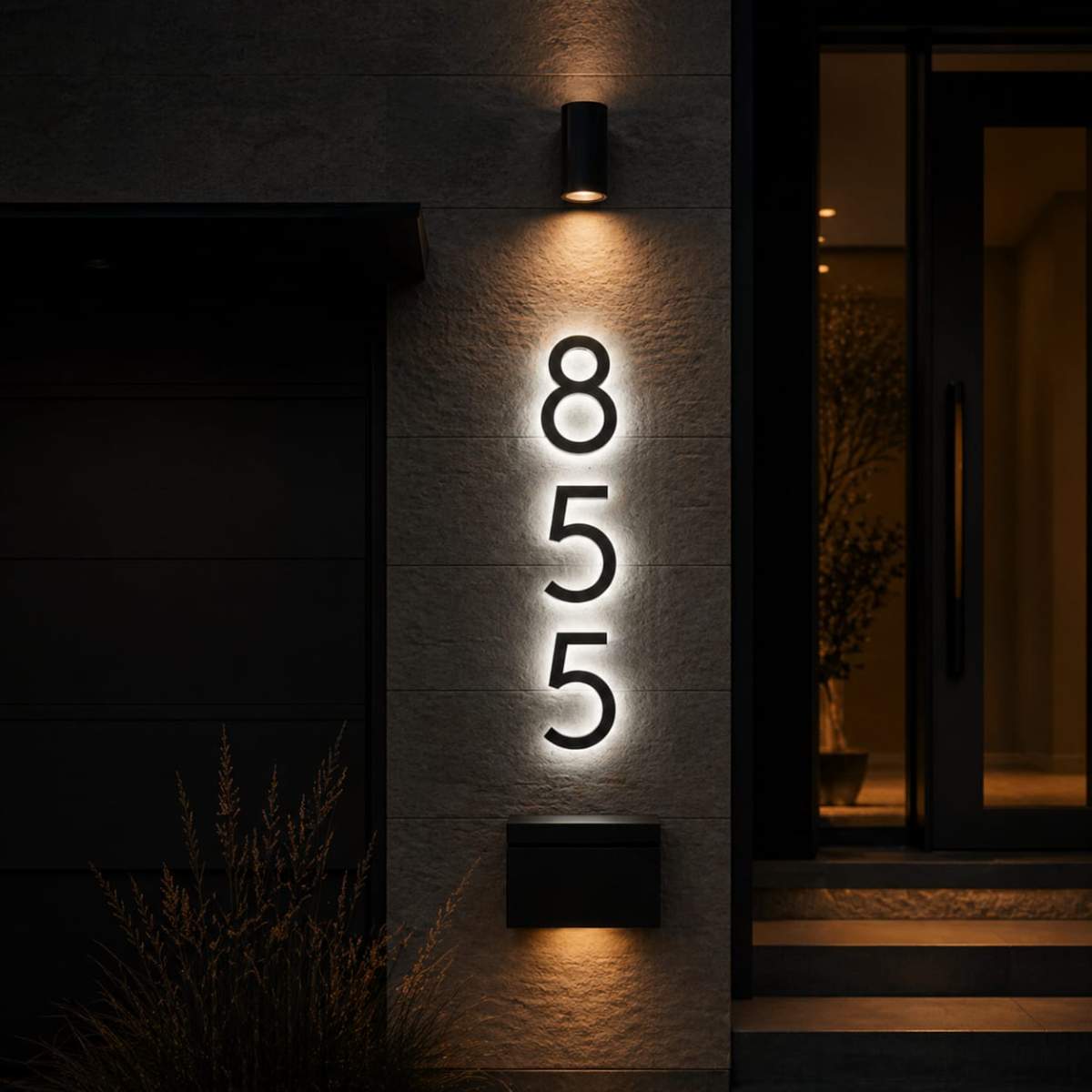
- Reflective visibility
- Driveway entrance markers
- Exterior lighting
At night or during poor weather, homes can blend into surrounding tree lines and darker roadside environments unless address visibility remains strong.
Homeowners Usually Know Where to Look
People living at a property naturally become familiar with its layout and visibility.
Visitors do not have that advantage.
A homeowner may feel the address is perfectly visible simply because they already know where it is located. Someone arriving for the first time often experiences visibility very differently, especially during evening conditions.
Winter Conditions Can Quietly Reduce Visibility
Nova Scotia winters regularly change roadside visibility conditions.
Address signs that remain fully visible during autumn can become partially hidden after repeated snowfall and snow clearing.
Snowbanks Frequently Block Lower Signs
One of the most common winter visibility issues involves snow accumulation near roads and driveways.
Potential problems include:
- Low-mounted signs disappearing behind snowbanks
- Mailbox numbers becoming partially hidden
- Reflective surfaces covered by snow
- Driveway entrances becoming less obvious
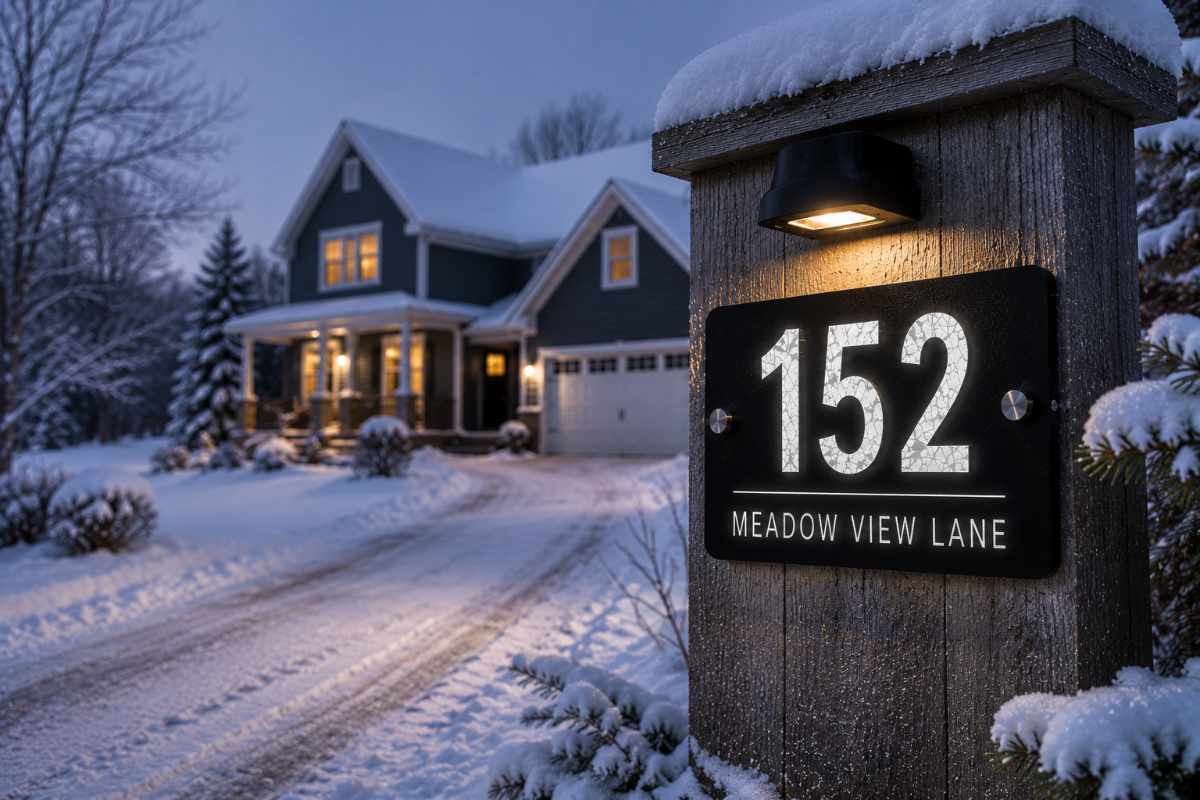
Even moderate snowfall can significantly alter how quickly drivers recognize a property from approaching vehicles.
Rain and Wet Conditions Affect Contrast
Atlantic Canada weather frequently includes:
- Rain
- Wet road surfaces
- Moisture-heavy evenings
- Reduced visibility after sunset
Dark siding materials often become harder to distinguish once surfaces become wet. Some finishes also reflect headlights differently during rainy conditions.
Fog Creates Shorter Reaction Time
Fog reduces the distance at which homes become visible from the road.
Under these conditions:
- Drivers identify addresses later
- Viewing time decreases
- Contrast becomes more important
- Reflective materials become easier to notice
Simple, highly readable number designs usually perform better during reduced visibility conditions.
Daylight Visibility Does Not Always Predict Night Visibility
Many homeowners evaluate their address sign during daytime hours.
Nighttime visibility creates completely different conditions.
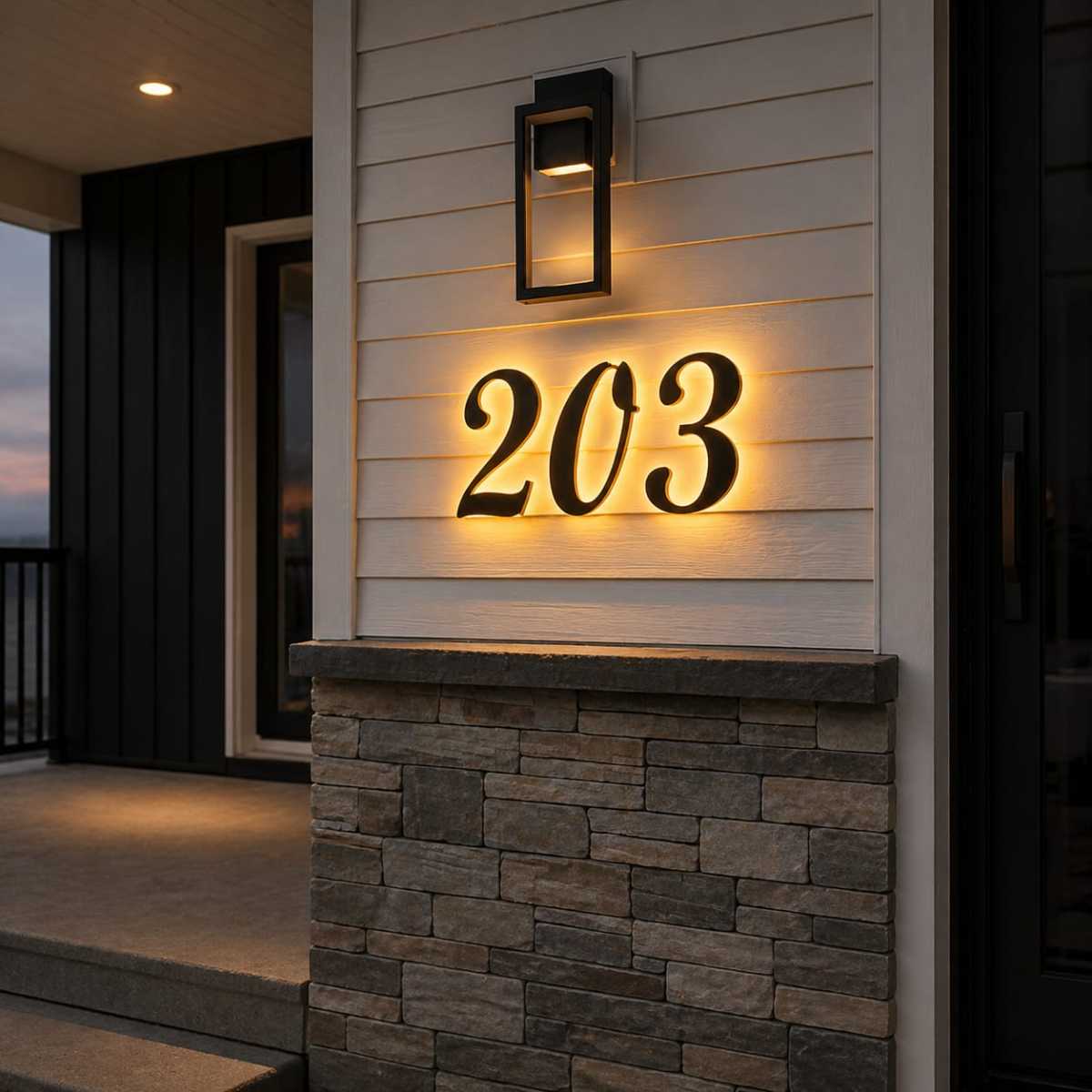
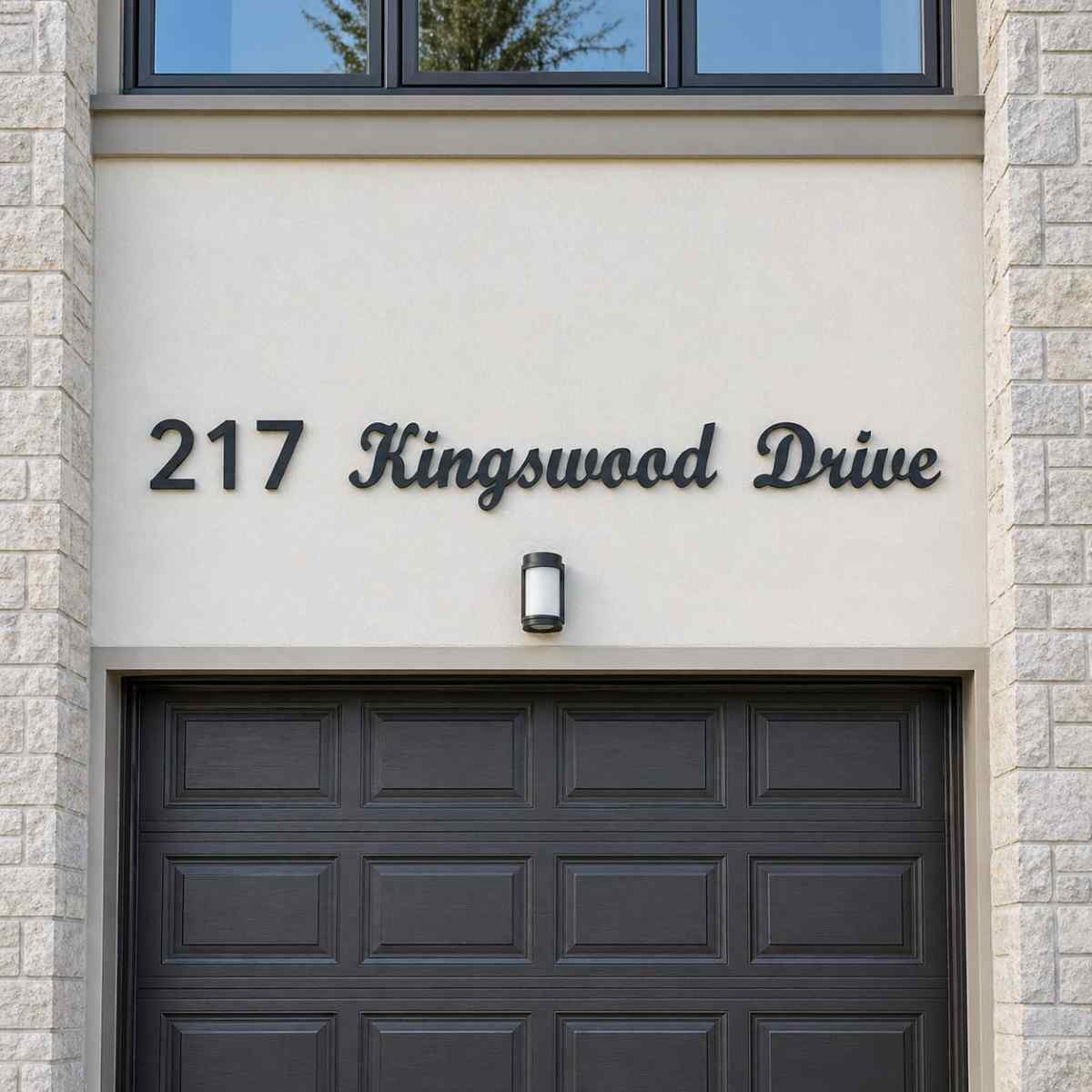
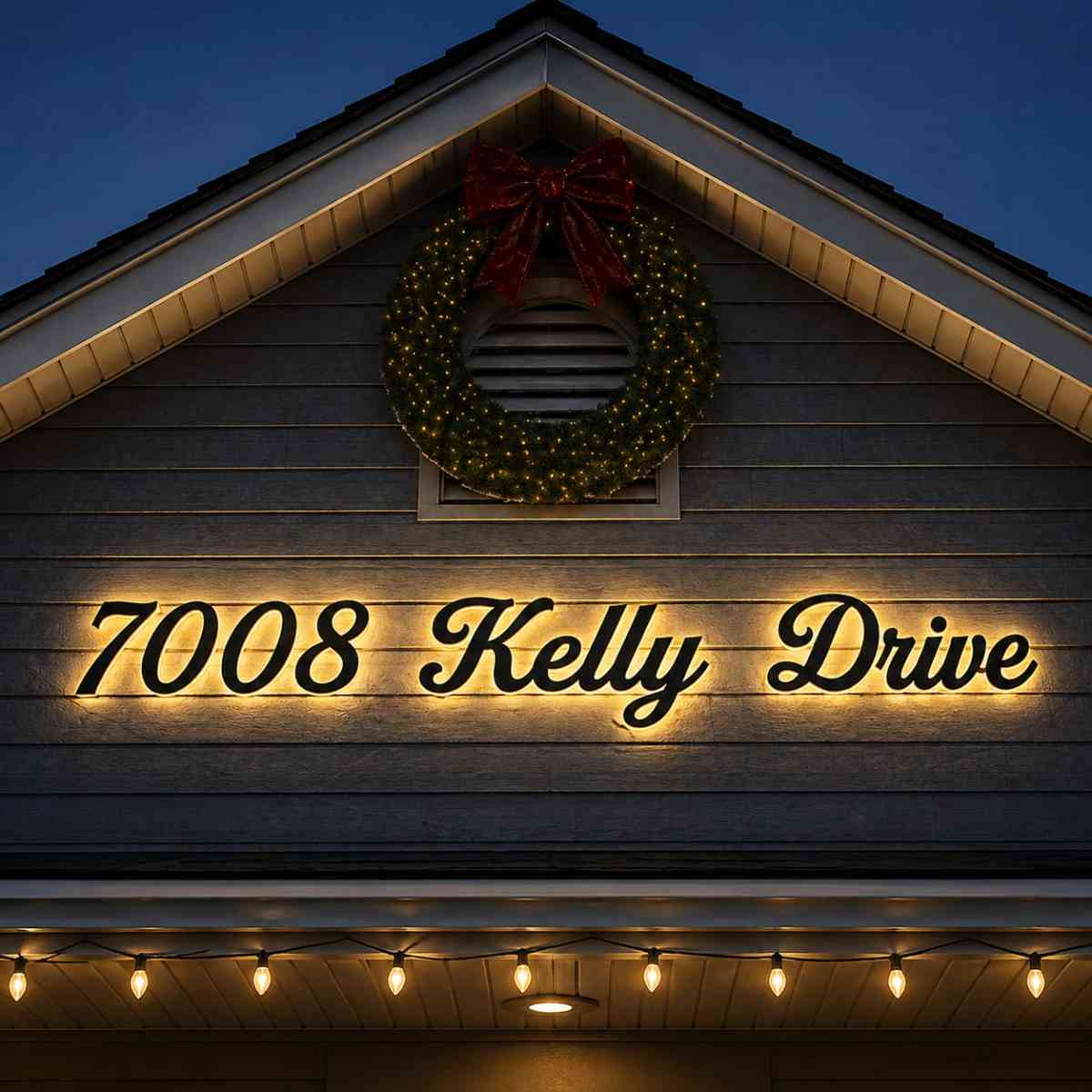
Decorative Number Styles Can Become Difficult to Read
Some designs prioritize appearance more than readability.
Examples include:
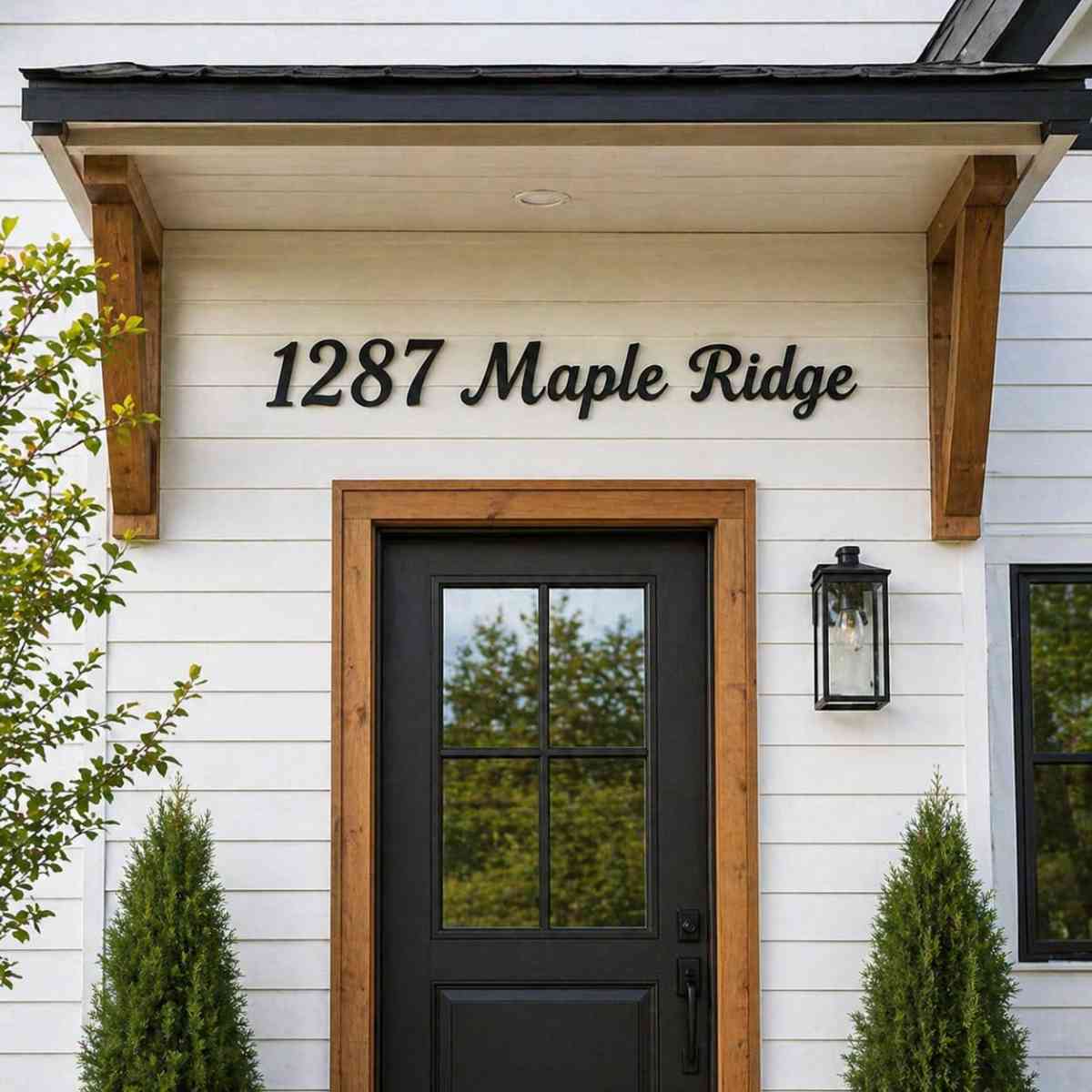
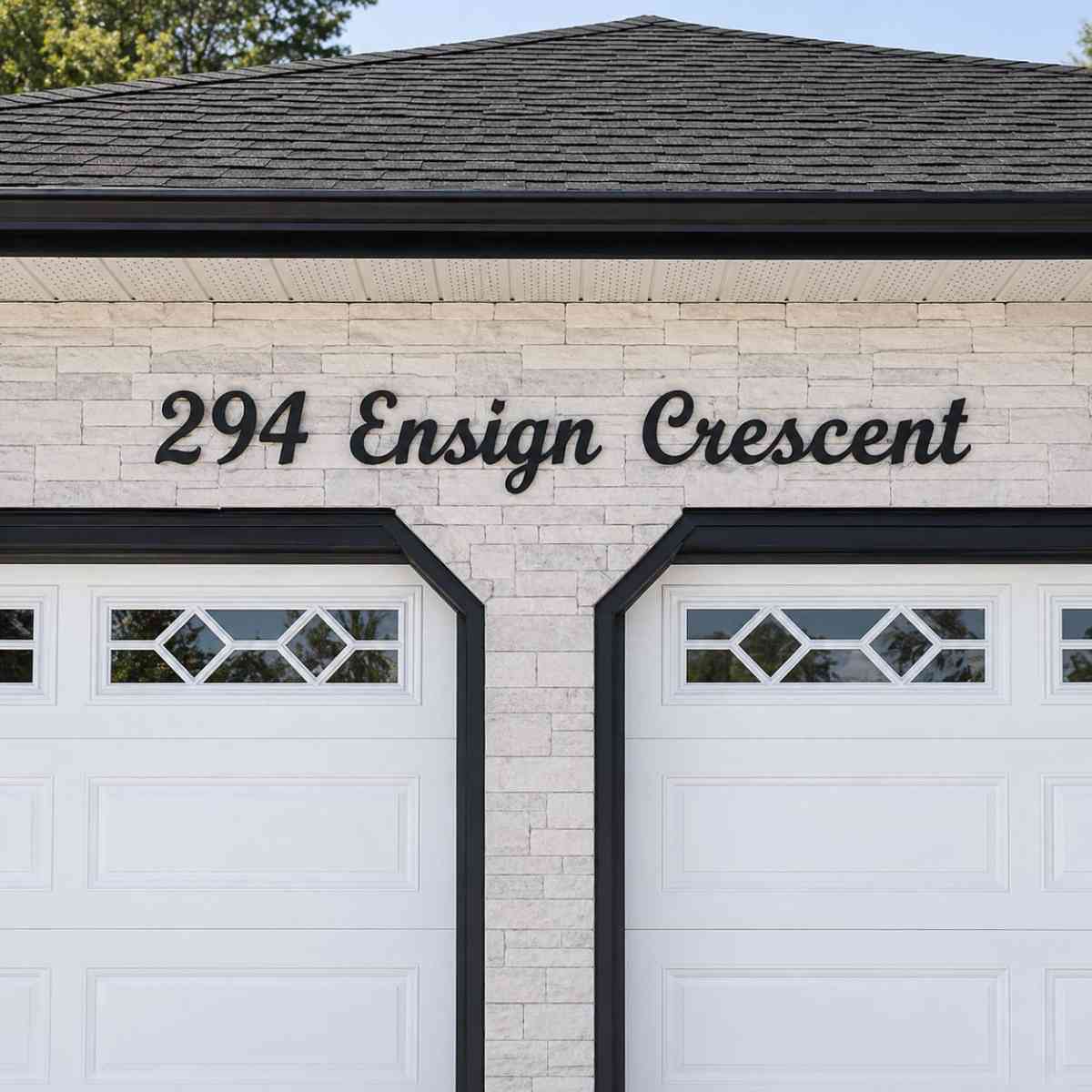
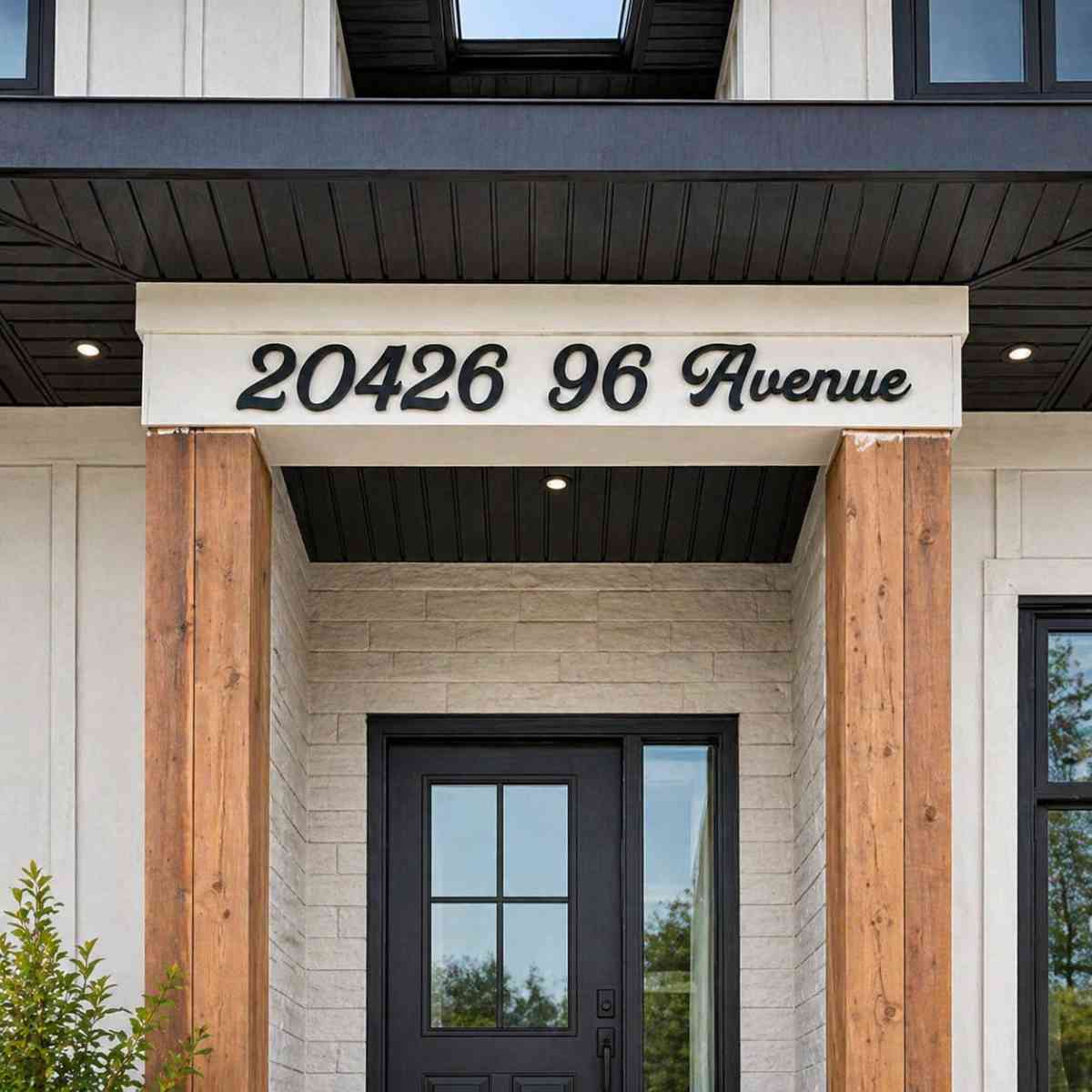
- Thin script fonts
- Decorative outlines
- Narrow spacing
- Minimal contrast finishes
These styles may appear visually attractive during daylight while becoming harder to identify quickly at night.
Vehicle Headlights Change Visibility Angles
Addresses are usually viewed while approaching the property rather than while standing directly in front of it.
Drivers may be:
- Turning toward a driveway
- Driving through snowfall
- Navigating rain
- Looking for addresses while moving
This changes how readability works in real-world conditions.
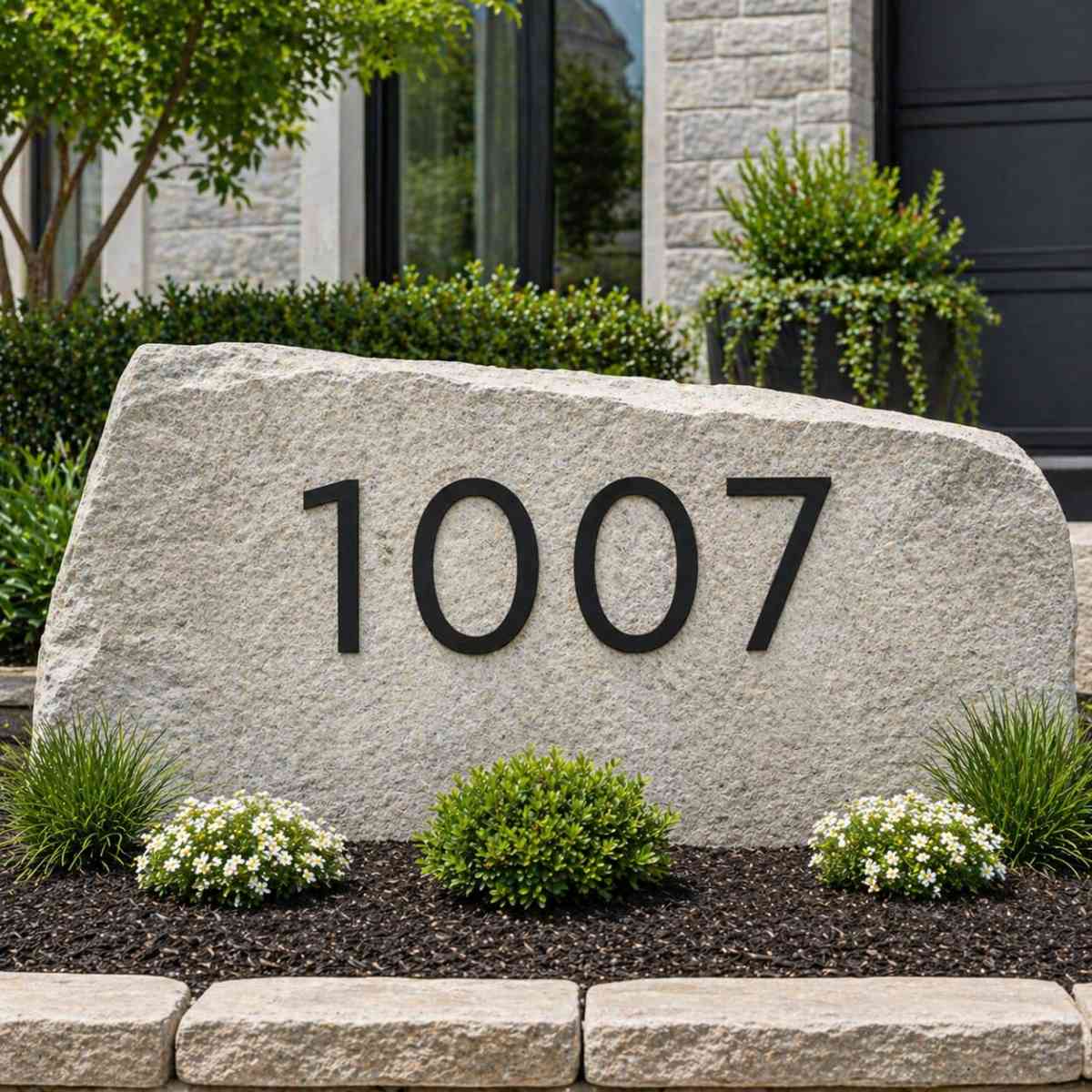
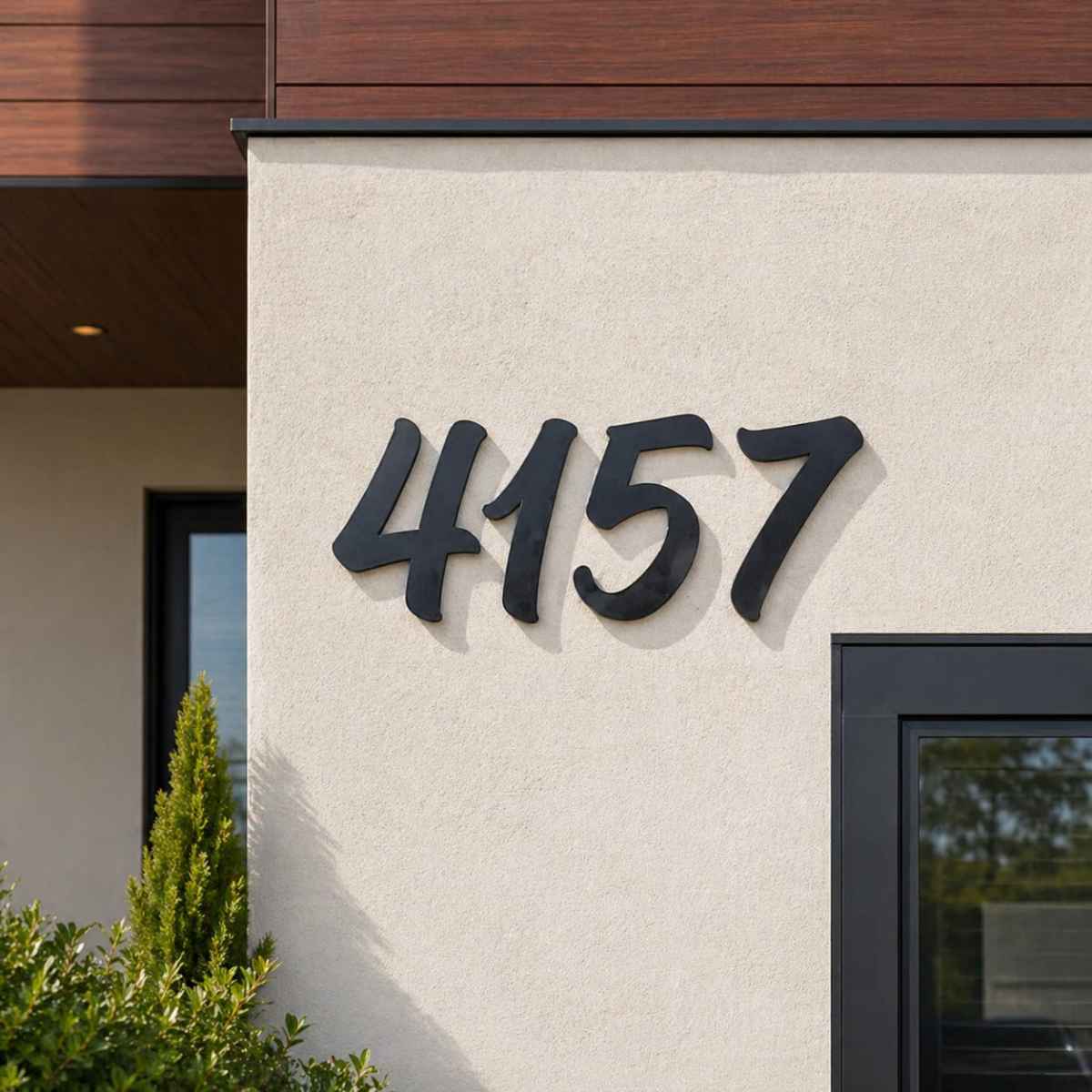
Contrast Often Matters More Than Size
Larger numbers alone do not always improve visibility.
Poor contrast combinations still reduce readability.
Examples include:
- Black numbers on dark siding
- Gray finishes on stone
- Reflective silver against lighter backgrounds
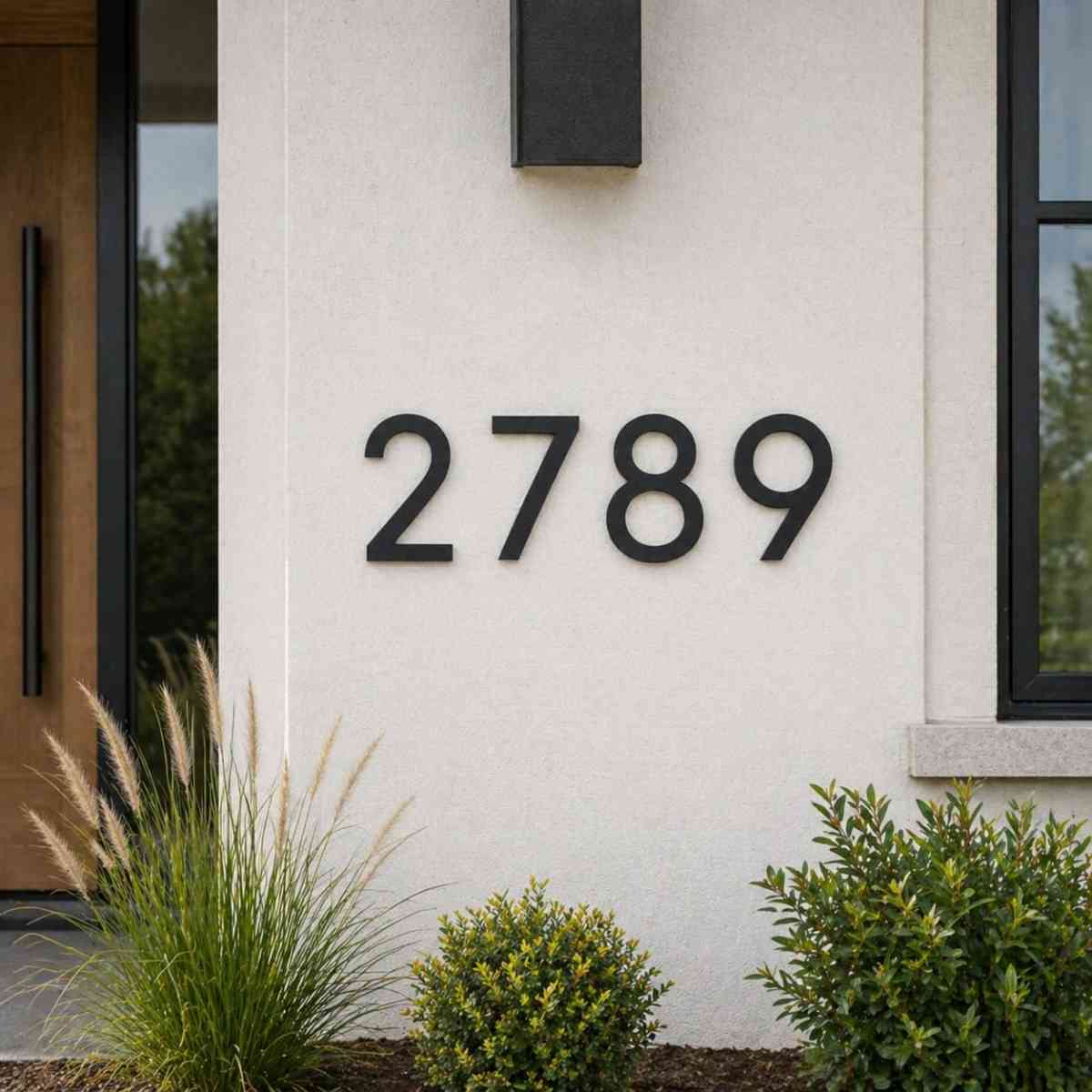
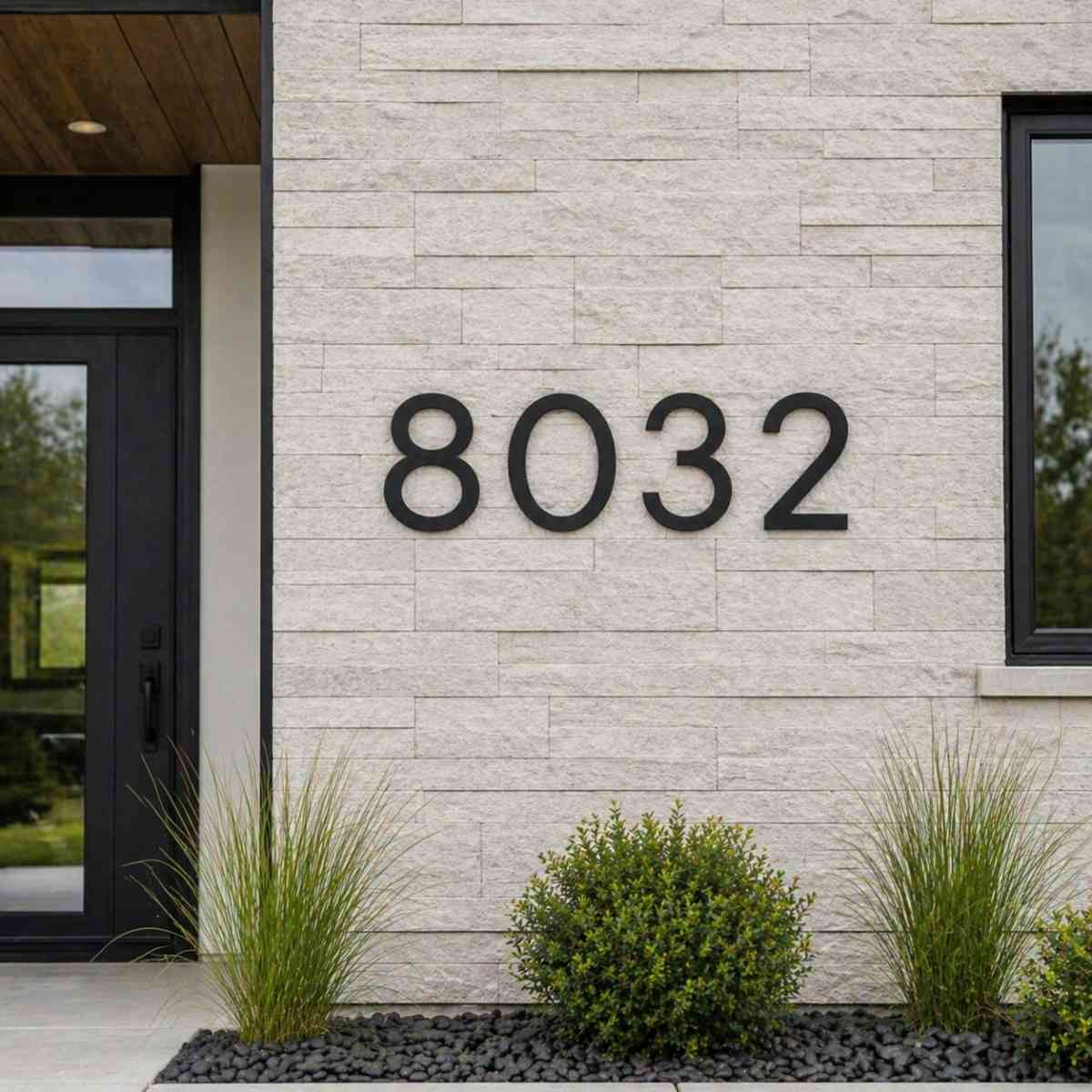
Strong contrast typically improves visibility more effectively than decorative styling.
Placement Decisions Often Matter More Than Sign Design
Many homeowners initially focus on appearance and materials.
Placement often influences visibility more significantly.
Front Entrance Placement Does Not Always Work From the Road
Numbers positioned beside the front entrance may work well for pedestrians while remaining difficult to identify from approaching vehicles.
Visibility problems become more common when homes include:
- Covered porches
- Long front lawns
- Angled layouts
- Trees near entrances
Driveway Entrance Signs Improve Earlier Recognition
For homes farther from the road, driveway entrance placement often improves visibility considerably.
Advantages may include:
- Earlier address confirmation
- Visibility before passing the property
- Easier identification during snowfall
- Better recognition from both directions
Mounting Height Matters During Winter
Low-mounted signs sometimes become less effective after repeated snowfall.
Signs mounted higher generally remain visible above:
- Snowbanks
- roadside accumulation
- seasonal landscaping
- decorative barriers
Materials That Handle Atlantic Canadian Conditions More Reliably
Exterior signage experiences constant environmental exposure throughout the year.
Material selection influences durability, readability, and long-term appearance.
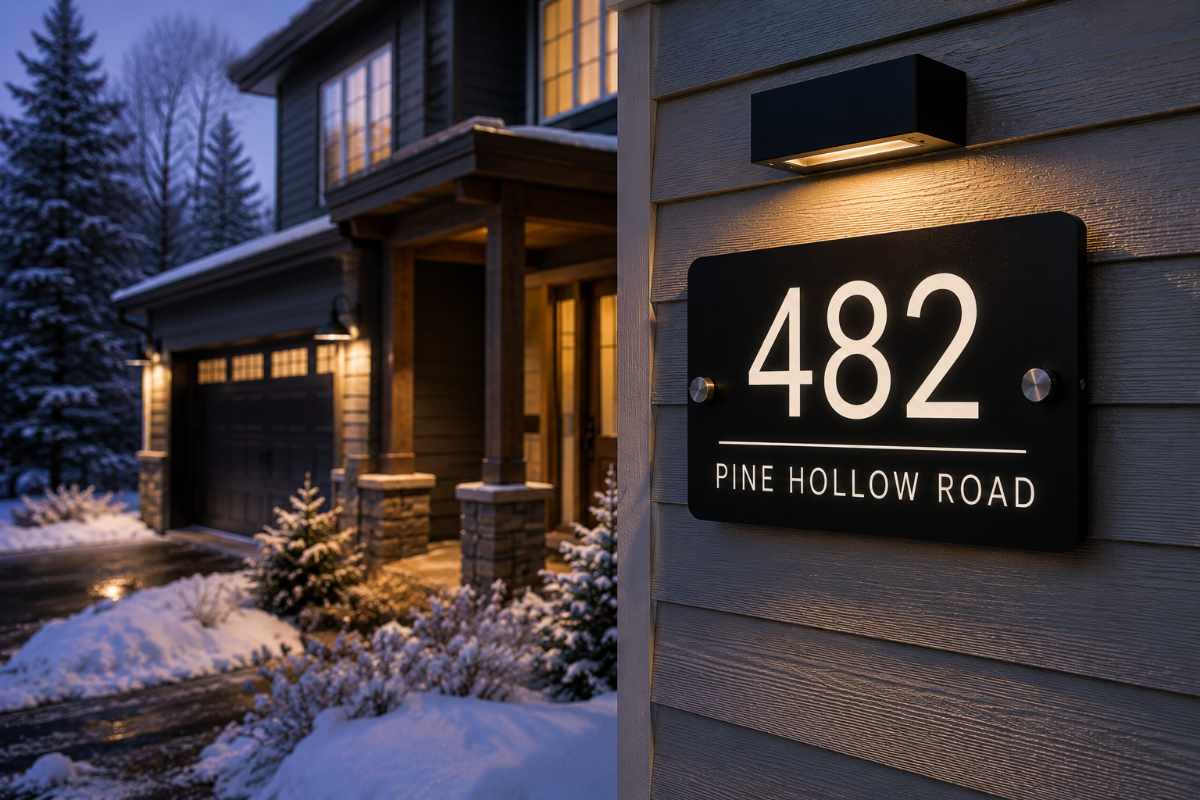
Metal Address Signs
Metal signs are commonly selected because they often provide:
- Long-term durability
- Moisture resistance
- Lower maintenance requirements
- Better weather performance
Powder-coated finishes are frequently preferred for exterior installations because they resist seasonal exposure more effectively.
Acrylic and Composite Materials
These materials are often chosen because they can provide:
- Consistent appearance
- UV resistance
- Lower maintenance
- Modern exterior styling
Performance depends heavily on installation quality and environmental exposure.
Hardware and Mounting Stability Matter Too
Mounting systems remain exposed to:
- Snow
- Rain
- Freeze-thaw cycles
- Moisture
- Seasonal temperature shifts
Exterior-grade fasteners help improve long-term stability.
Some Properties Naturally Need Stronger Visibility
Certain property layouts create greater navigation challenges.
Homes Hidden Behind Landscaping
Trees and shrubs can gradually reduce visibility without homeowners noticing immediately.
Shared Driveways
Visitors sometimes confuse entrances when multiple homes share access points.
Corner Properties
Visibility may need to work from multiple directions rather than a single roadway approach.
Homes Along Darker Roads
Reduced roadside lighting increases dependence on reflective visibility and contrast.
Reflective House Numbers Become More Useful During Winter
Reflective materials interact differently with headlights compared with standard finishes.
Once headlights become the primary light source, reflective visibility often becomes easier to identify from greater distance.
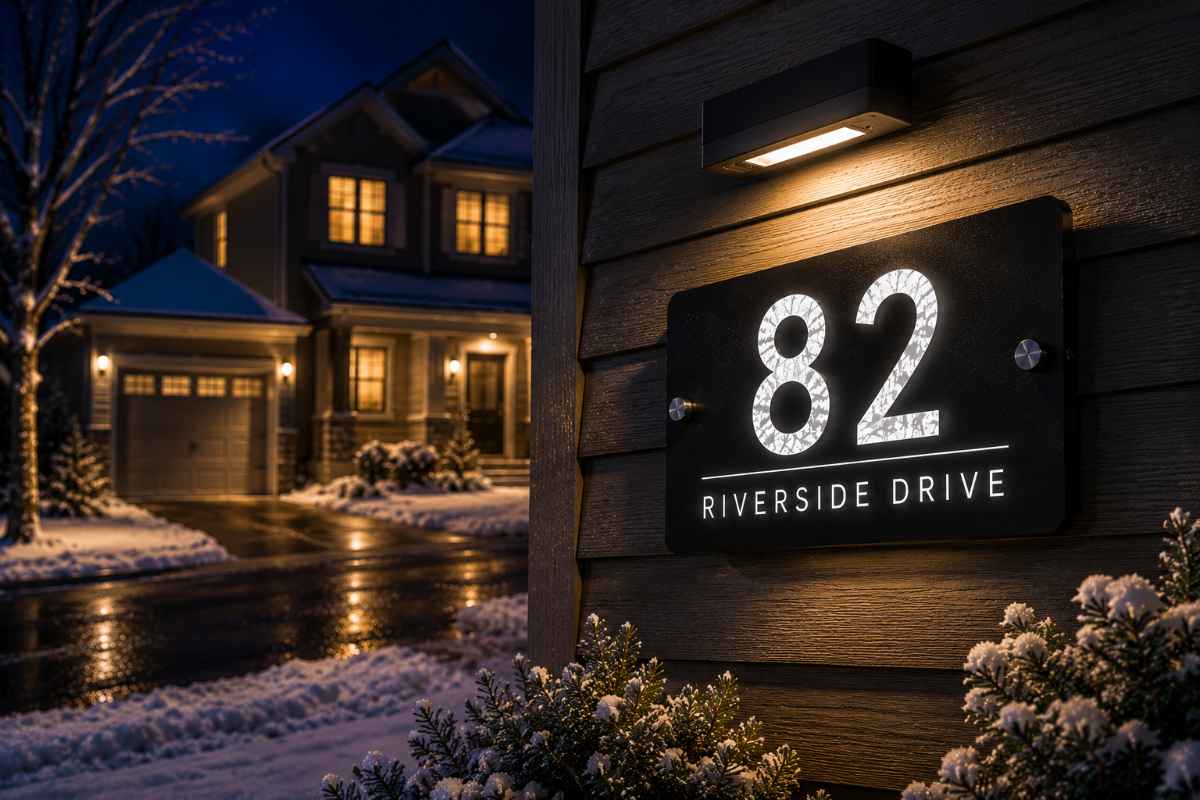
Reflective surfaces are often useful for:
- Rural properties
- Homes farther from the road
- Areas with limited street lighting
- Frequent delivery traffic
- Fog-prone roads
Unlike decorative lighting alone, reflective materials respond directly to approaching vehicle headlights.
Questions Masstown Homeowners Often Ask
How large should house numbers be for rural properties?
Properties with longer setbacks generally benefit from larger numbers because readability decreases over distance.
Can reflective numbers remain visible during snowfall?
Reflective materials can improve visibility during darker conditions, although placement still matters during heavy accumulation.
Where should address signs be mounted on longer driveways?
Driveway entrances often provide clearer visibility before drivers reach the home itself.
Are illuminated signs useful in rural areas?
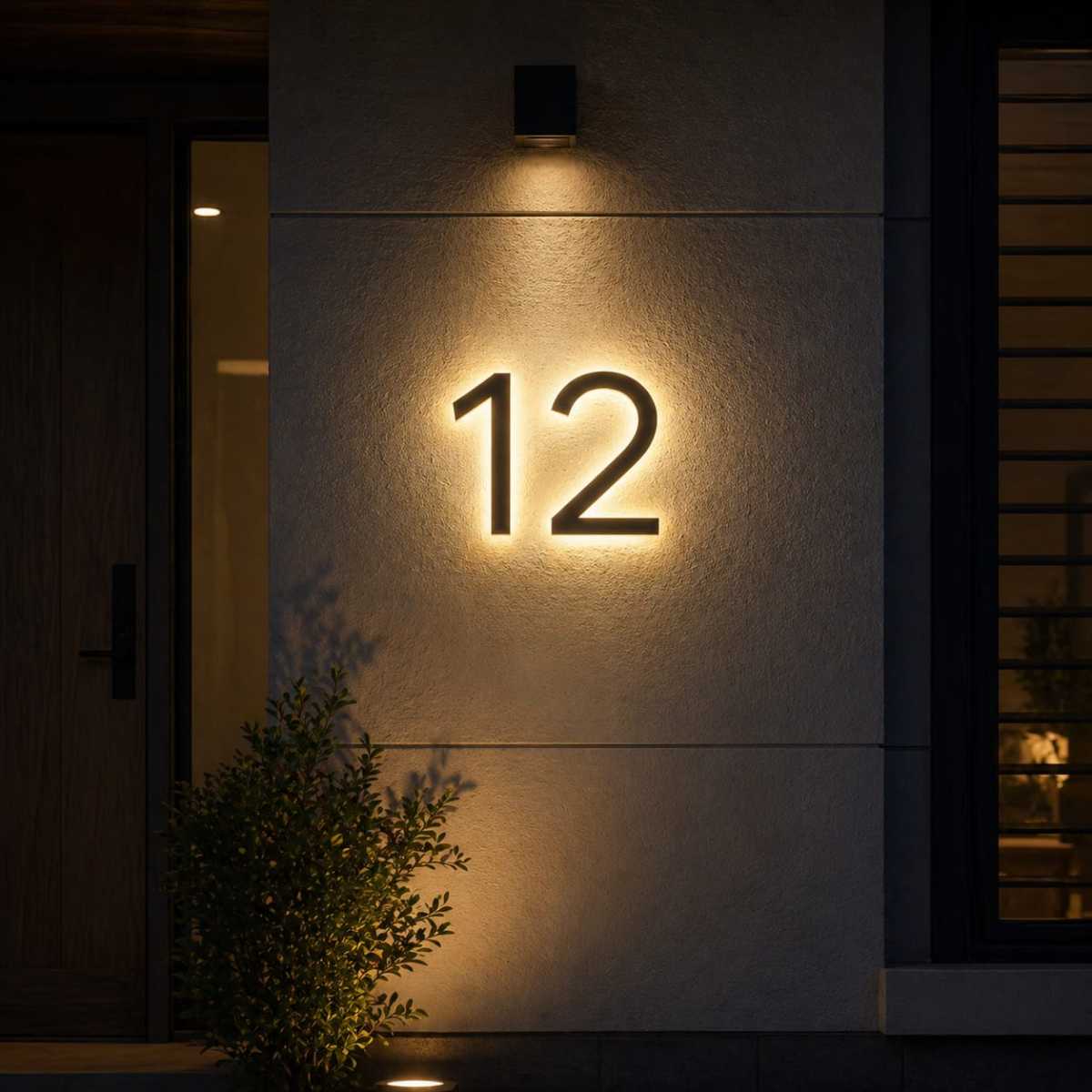
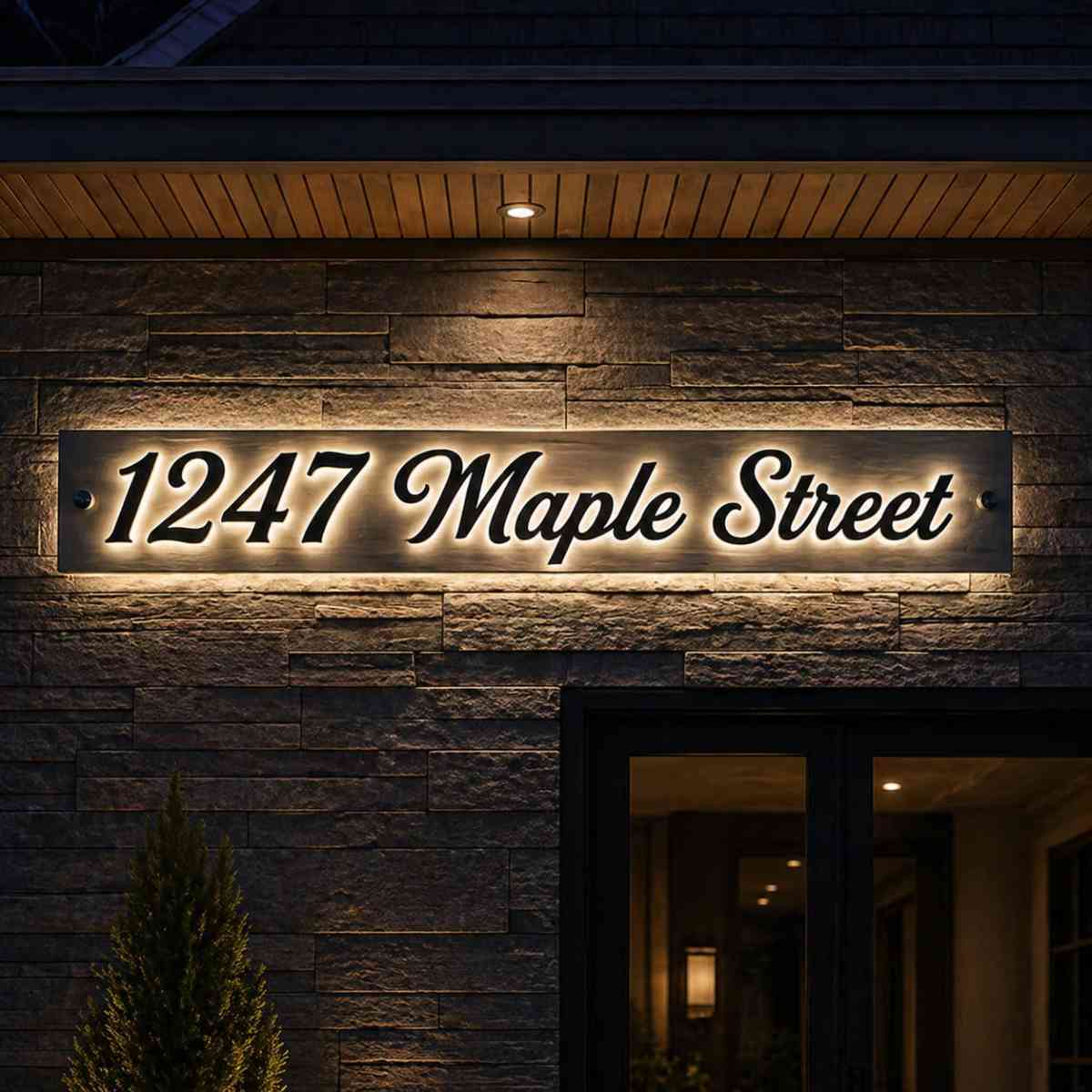
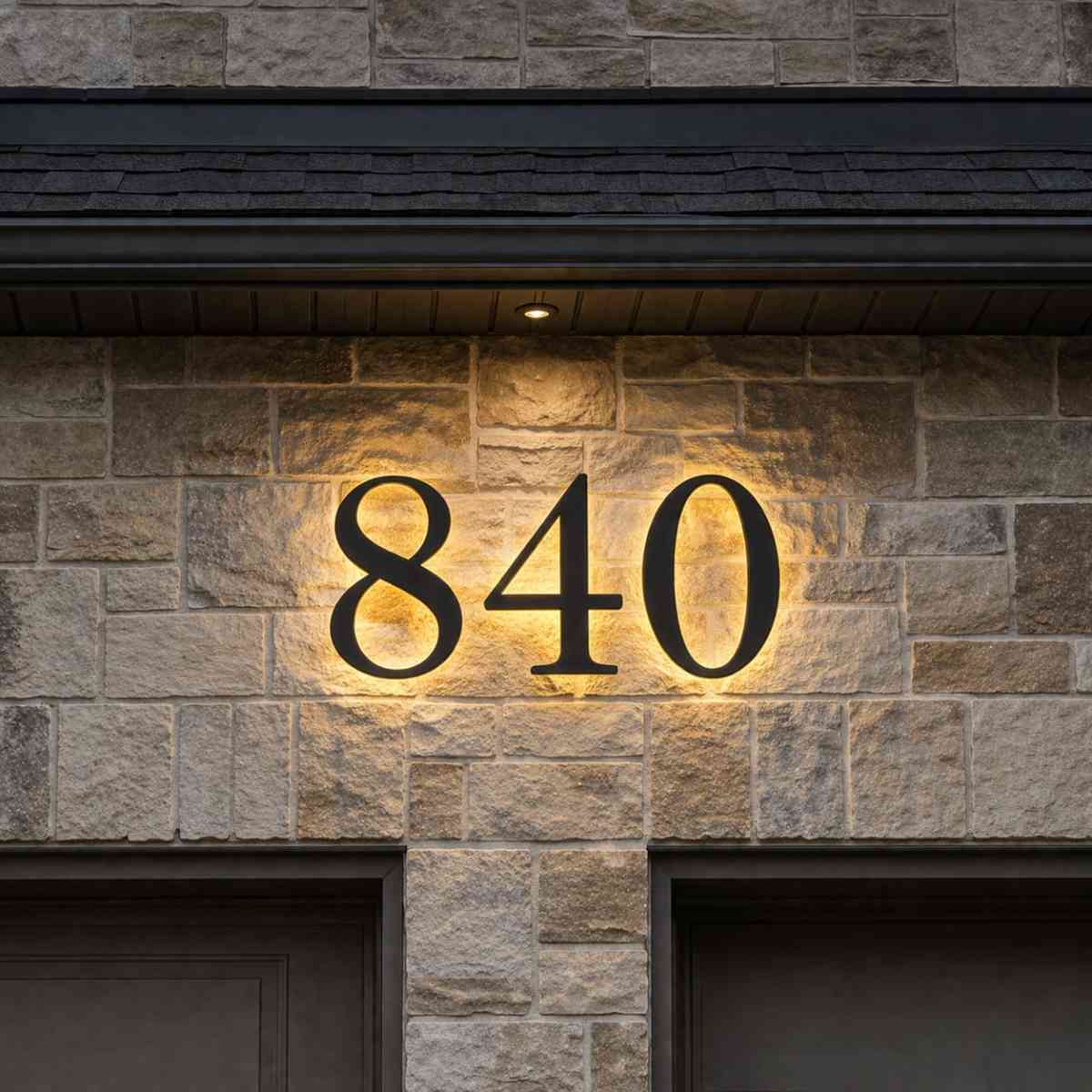
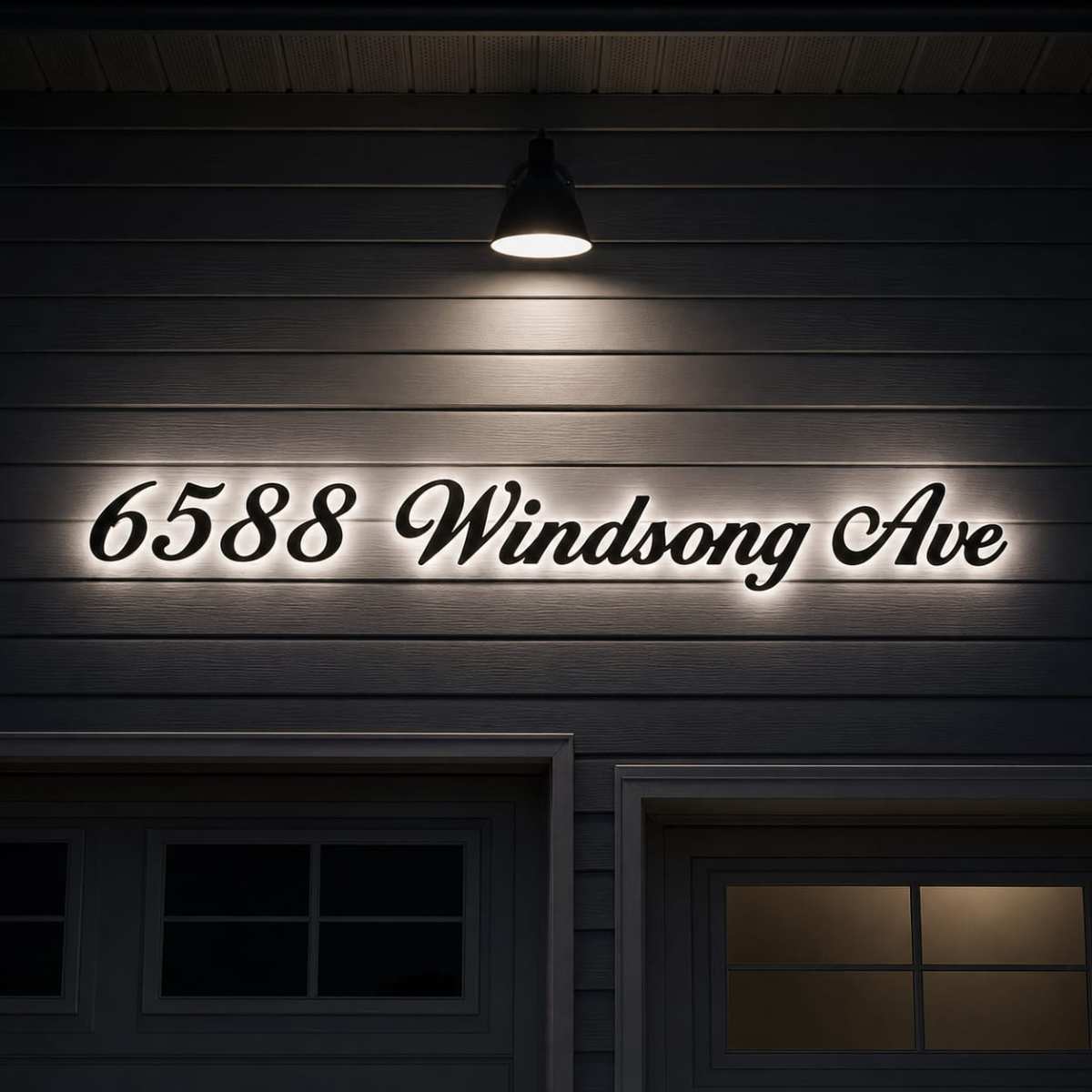
Illuminated address signs can improve visibility during rain, snowfall, fog, and darker winter evenings.
How often should homeowners check visibility?
Seasonal visibility checks help identify problems caused by landscaping growth, snowbanks, fading contrast, and weather exposure.
Looking at the Property From the Perspective of Someone Arriving for the First Time
Many visibility problems become easier to notice once homeowners evaluate the property from the roadway rather than from the front entrance.
Walking toward the road during evening conditions often reveals issues that remain unnoticed during daily routines. Small changes involving placement, sign height, reflective visibility, or contrast can sometimes make a significant difference in how quickly a home can be identified.
Related Guides